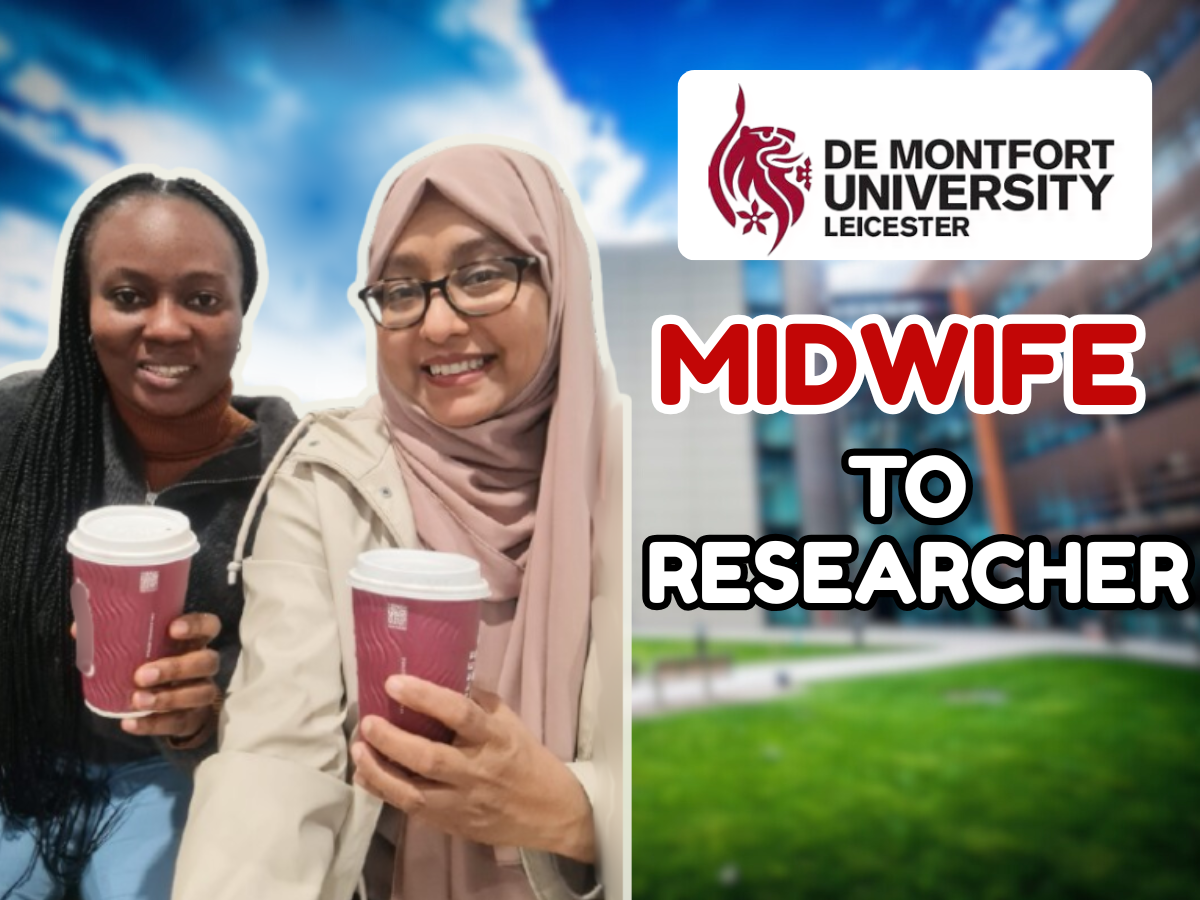
Jacqueline, a 33-year-old midwife from Ghana, is making waves at De Montfort University (DMU) as she embarks on her Master of Research (MRes) journey. This article highlights her academic background, her motivations for choosing the UK, and the cultural adjustments she encountered along the way. It serves not only as an inspiration for fellow Ghanaians looking to pursue higher education abroad but also sheds light on the significant contributions of international students to the UK healthcare system.
Table of Contents
Acknowledging Support: Teamwork Makes the Dream Work
Academic Background: A Solid Foundation in Midwifery
Why the UK? A Strategic Choice
Cultural Adjustments: From Warm Weather to Cold Climate
Differences in Academic Culture: Research Methodology
The Importance of Supportive Supervisors
Words of Wisdom for Fellow Ghanaians
Conclusion
Academic Background: A Solid Foundation in Midwifery
Why the UK? A Strategic Choice
Cultural Adjustments: From Warm Weather to Cold Climate
Differences in Academic Culture: Research Methodology
The Importance of Supportive Supervisors
Words of Wisdom for Fellow Ghanaians
Conclusion
Acknowledging Support: Teamwork Makes the Dream Work
When asked about the support she's received, Jacqueline expresses heartfelt gratitude to her husband, a doctor, who has been a pillar of strength throughout her academic journey. "A big thank you to my husband for his support," Jacqueline replies, emphasizing the importance of having a support system in place when navigating the challenges of studying abroad.
Jacqueline's sentiment resonates with many students. The journey to higher education can be overwhelming, and having family and friends to lean on is crucial. The recognition of teamwork as foundational to success is particularly important, especially in demanding academic environments.
Jacqueline's sentiment resonates with many students. The journey to higher education can be overwhelming, and having family and friends to lean on is crucial. The recognition of teamwork as foundational to success is particularly important, especially in demanding academic environments.
Academic Background: A Solid Foundation in Midwifery
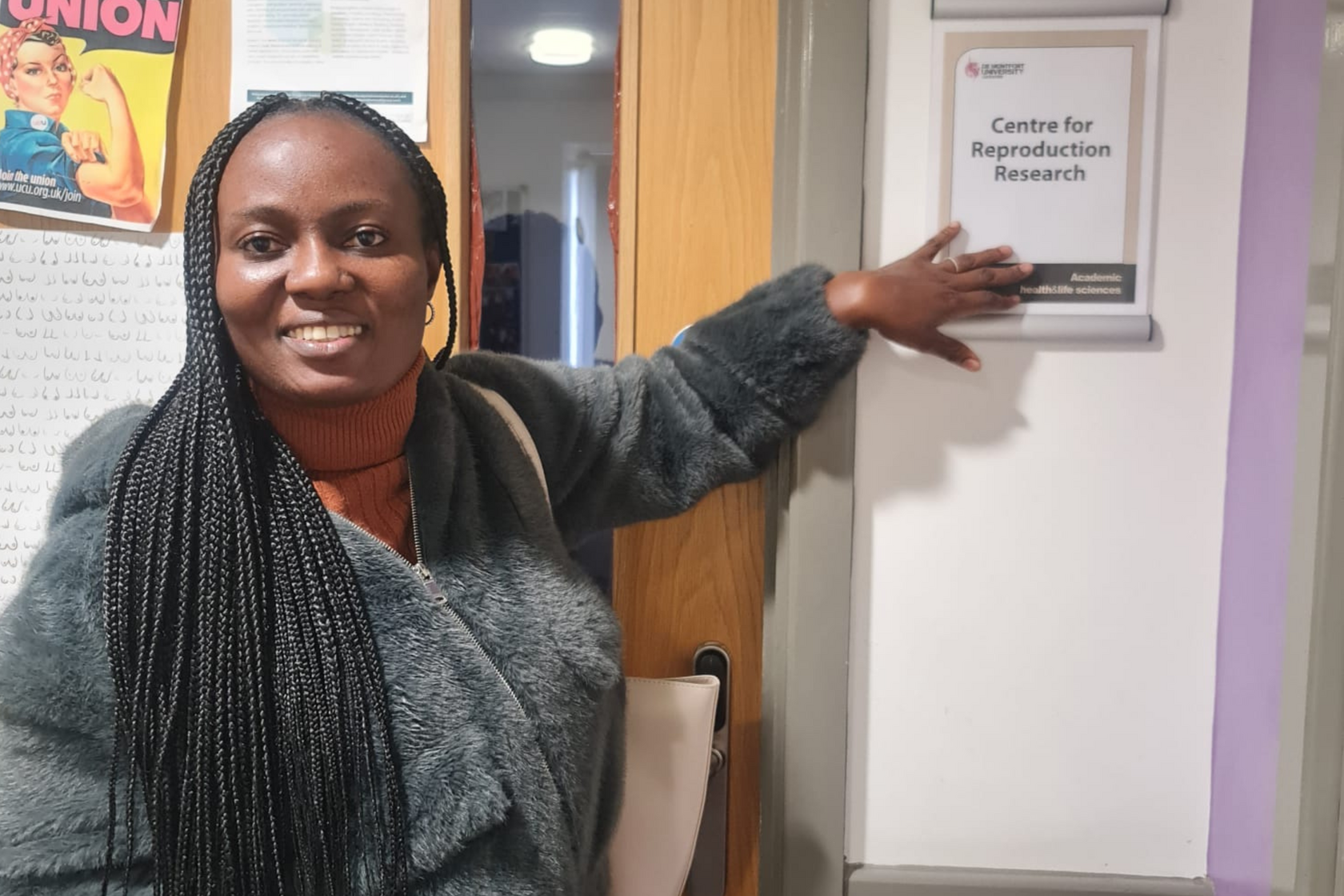
Jacqueline's path to DMU began in Ghana, where she earned a Bachelor of Science degree in Midwifery from Kwame Nkrumah University of Science and Technology, completing her studies from 2014 to 2018. Her journey as a practicing midwife for over four years has equipped her with vital skills and knowledge that she aims to enhance through her studies in the UK.
The UK is currently experiencing a shortage of midwives, making Jacqueline’s decision to study here even more valuable. By advancing her education in a country that recognizes and supports her profession, Jacqueline is not only investing in her future but also contributing to meeting pressing healthcare demands.
The UK is currently experiencing a shortage of midwives, making Jacqueline’s decision to study here even more valuable. By advancing her education in a country that recognizes and supports her profession, Jacqueline is not only investing in her future but also contributing to meeting pressing healthcare demands.
Why the UK? A Strategic Choice
Jacqueline chose to study in the UK for multiple reasons:
These factors made the UK an ideal choice for Jacqueline as she pursues her MRes in Health and Life Sciences. Her decision not only highlights the global reputation of UK education but also its holistic approach to professional practice in healthcare.
- Language: The tuition is in English, providing her with a familiar learning environment.
- Global Recognition: A UK degree is widely accepted in countries like Canada and the United States, enhancing her employment prospects.
- Quality Education: The UK is renowned for having some of the best educational institutions in the world, including DMU.
These factors made the UK an ideal choice for Jacqueline as she pursues her MRes in Health and Life Sciences. Her decision not only highlights the global reputation of UK education but also its holistic approach to professional practice in healthcare.
Cultural Adjustments: From Warm Weather to Cold Climate
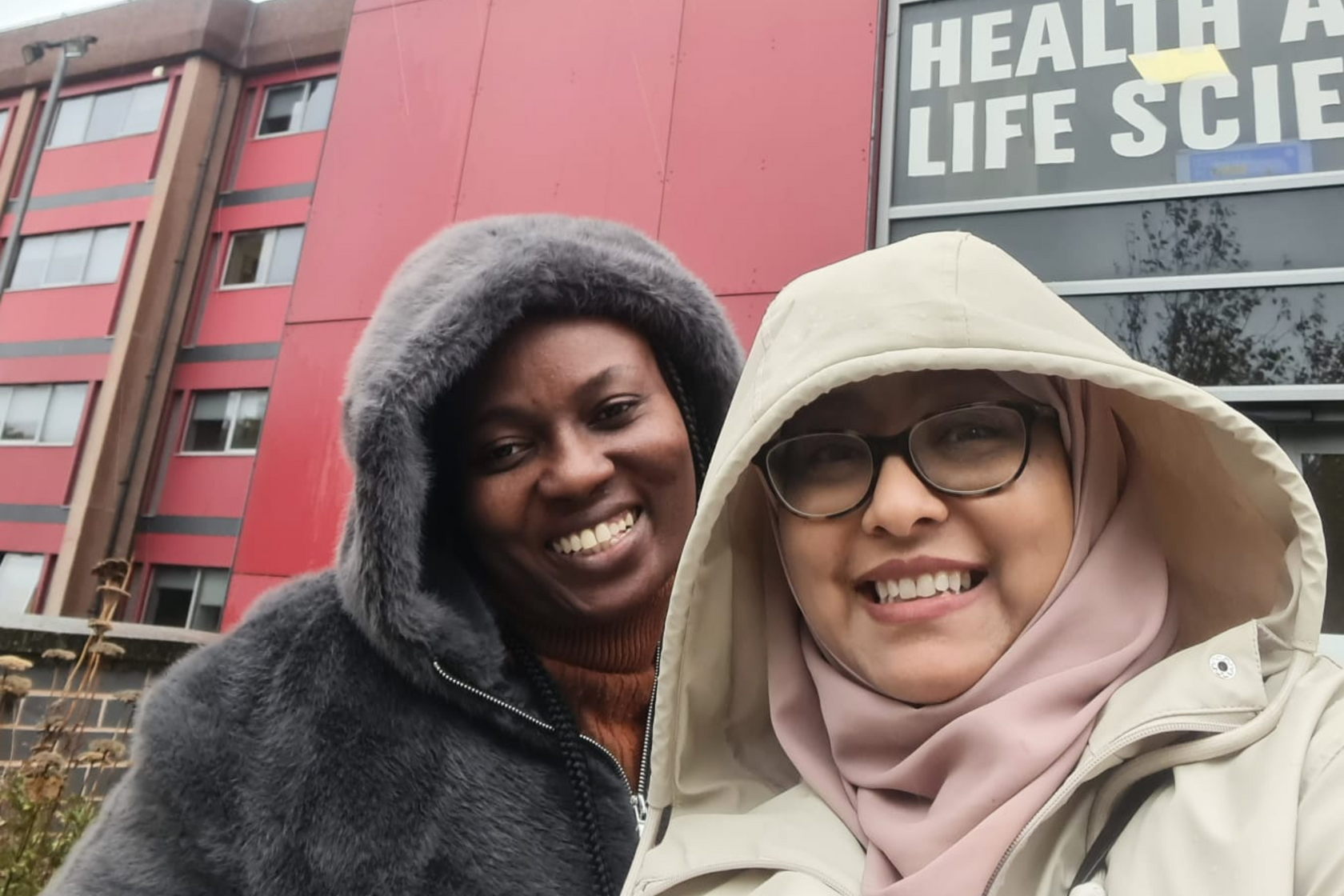
One of the first challenges Jacqueline faced upon arriving in the UK was the drastic change in weather. "I found the food and the cold weather challenging," she shares, highlighting how different cultural norms can impact international students. With Ghana being primarily sunny, the cold weather of the UK was a stark contrast, prompting her to discuss how the NHS recommends Vitamin D supplements for those not exposed to enough sunlight.
Jacqueline also mentioned that she found solace in discovering African shops around Leicester. Places like St. Margaret's bus station provided her with a sense of home, stocking familiar ingredients like okra and local meats that enabled her to cook dishes reminiscent of her native cuisine.
Jacqueline also mentioned that she found solace in discovering African shops around Leicester. Places like St. Margaret's bus station provided her with a sense of home, stocking familiar ingredients like okra and local meats that enabled her to cook dishes reminiscent of her native cuisine.
Differences in Academic Culture: Research Methodology
Academically, Jacqueline noted significant differences in how research is approached in the UK compared to Ghana. In Ghana, research methodology is often a taught course, whereas in the UK, students are expected to independently navigate their research projects. "In the UK, you do most of the work on your own," Jacqueline explained, emphasizing the more self-directed nature of higher education in the UK.
This transition can be daunting, but it's also an opportunity for personal growth and development. Jacqueline's experience showcases the adaptability required to succeed in a rigorous academic landscape and the importance of mentorship in guiding students through the learning process.
This transition can be daunting, but it's also an opportunity for personal growth and development. Jacqueline's experience showcases the adaptability required to succeed in a rigorous academic landscape and the importance of mentorship in guiding students through the learning process.
The Importance of Supportive Supervisors
Jacqueline has benefitted greatly from having supportive supervisors at DMU, affirming that not every student is as fortunate. The encouragement and feedback she received kept her motivated and helped her overcome challenges in fulfilling the demanding requirements of her research proposal.
"Without their support, it would have been quite difficult for me to succeed," Jacqueline admitted. The role of mentors and supervisors in academia can be pivotal, especially for international students who may face unique challenges in a foreign educational system.
"Without their support, it would have been quite difficult for me to succeed," Jacqueline admitted. The role of mentors and supervisors in academia can be pivotal, especially for international students who may face unique challenges in a foreign educational system.
Words of Wisdom for Fellow Ghanaians
Jacqueline has some valuable advice for her fellow Ghanaians contemplating pursuing education in the UK: "Don’t let your dreams be shattered; pursue them!" She stresses that there are various routes to continue education abroad, including options to bring family along, which can greatly enhance the overall experience of studying overseas.
Her insight serves as a reminder that opportunities exist, and with determination and the right support, achieving educational aspirations is within reach. Jacqueline's journey from Ghana to DMU not only reflects her personal ambitions but also embodies the spirit of resilience that many international students share.
Her insight serves as a reminder that opportunities exist, and with determination and the right support, achieving educational aspirations is within reach. Jacqueline's journey from Ghana to DMU not only reflects her personal ambitions but also embodies the spirit of resilience that many international students share.
Conclusion
Jacqueline's journey from Ghana to De Montfort University exemplifies the rich and diverse tapestry of global education. Her experiences as a midwife and a student highlight the challenges of adapting to a new culture while also emphasizing the importance of a robust support system and the role of mentorship.
As more international students like Jacqueline contribute to fields where there is a growing demand—particularly in healthcare—their stories inspire future generations to pursue their education abroad. If you are an aspiring student with dreams of studying in the UK, heed Jacqueline's words and take the leap towards achieving your goals. Stay connected, and don't hesitate to reach out for assistance in navigating your academic journey!
As more international students like Jacqueline contribute to fields where there is a growing demand—particularly in healthcare—their stories inspire future generations to pursue their education abroad. If you are an aspiring student with dreams of studying in the UK, heed Jacqueline's words and take the leap towards achieving your goals. Stay connected, and don't hesitate to reach out for assistance in navigating your academic journey!
? FAQ's
Q1. Who is Jacqueline and why is her story important for prospective international students?
Answer: Jacqueline is a 33-year-old midwife from Ghana currently studying a Master of Research (MRes) in Health and Life Sciences at De Montfort University (DMU) in the UK. Her journey highlights how experienced healthcare professionals can further their careers through UK postgraduate study, and offers inspiration and real-world insight for other international students considering similar paths.
Q2. What academic background did Jacqueline have before applying to study in the UK?
Answer: Before moving to the UK, Jacqueline earned a Bachelor of Science degree in Midwifery from Kwame Nkrumah University of Science and Technology in Ghana. She also practised professionally for over four years, giving her practical healthcare experience that strengthened her application for postgraduate research study.
Q3. Why do Ghanaian and other international students choose to study in the UK?
Answer: International students often choose the UK because instruction is in English, degrees are globally recognised, and UK universities offer high-quality education and research opportunities. Jacqueline’s decision reflects these factors, which many overseas students consider when planning postgraduate study abroad.
Q4. What cultural and academic challenges can international students expect when studying in the UK?
Answer: Students from warmer climates may find the cold weather and cultural differences challenging at first. Academically, UK universities often expect more independent research and self-directed study compared to other systems, requiring good time management and adaptation. Jacqueline specifically mentioned adjusting to these academic expectations during her MRes.
Q5. What advice does Jacqueline offer to other students considering overseas education?
Answer: Jacqueline emphasises persistence and determination in pursuing educational goals. She encourages students not to let obstacles stop them, to explore various study routes, and to build a support network — all of which can make the transition to studying abroad more successful and rewarding.
To get started or for more information, email us: info@ukbrighteducation.com
Stay Connected:
Stay Connected:
- Instagram: UK Bright Education
- Facebook: UK Bright Education
- Website: UK Bright Education
- LinkedIn: UK Bright Education
- Threads: UK Bright Education
- Tiktok: UK Bright Education
You can watch the Youtube video about this topic: https://youtu.be/fFTJo1DCNFI
Click here to get more information on PhD : https://ukbrighteducation.com/phd
Click here to get the Jan-Sep 2026 Masters List: https://ukbrighteducation.com/masters
Click here to get more information on PhD : https://ukbrighteducation.com/phd
Click here to get the Jan-Sep 2026 Masters List: https://ukbrighteducation.com/masters